Ever wondered how risky it is walking along the construction sites in London’s busiest and most complex construction sites. Not only for the pedestrians but also for the workers that are involved in the constructions. So, ensuring scaffold safety London Bridge is not an option but it is essential. It can be observed that scafflod failure in this area can be fatal due to high pedestrian traffic, historic structures, rail interfaces, and restricted access.
To minimize these kinds of incidents, structural engineers can play a vital role in protecting workers, the public, and surrounding assets safely with high class scaffold systems. Their job is to identify the design intent and minimize the real-world construction challenges across London Bridge projects.
The Engineer’s Role
The responsibility of a structural engineer who is managing the scaffolding system is to verify that the scaffolding systems can safely support imposed loads throughout the construction lifecycle. Besides calculating the load, they utilise engineering judgement and practical site awareness to make the structure reliable.
On London Bridge projects, engineers collaborate closely with contractors and scaffold designers to ensure scaffold safety London Bridge solutions respond to site constraints without compromising safety or productivity.
Design Responsibility
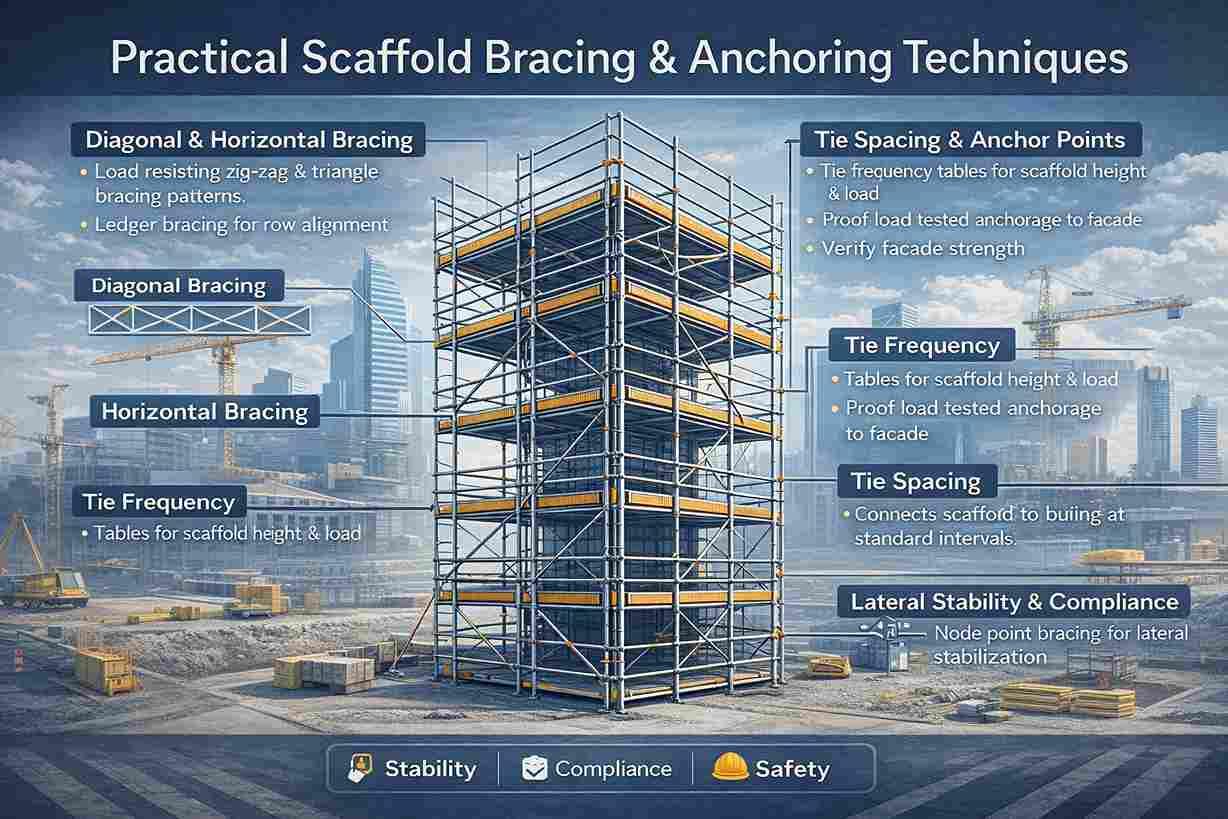
Another key duty of the structural engineer is ensuring scaffold design compliance UK standards are fully met before installation begins. This includes reviewing load paths, tie arrangements, and stability under both vertical and horizontal forces.
By validating design assumptions early, engineers reduce the risk of costly redesigns and prevent unsafe scaffolding configurations from reaching the site.
Regulatory Framework
Remaining in line with the scaffolds regulations London is central to any temporary works scheme. Engineers have to translate national legislation into what works for London Bridge.
This ensures the scaffolding systems not only comply with the legal requirements but also address the greater risks posed by the dense construction zones in the urban regions.
Safety Standards
Before finalizing the designs for the scaffolds, they are also checked for construction safety standards UK to ensure compliance with the minimum performance requirements are satisfied. Structural engineers adhere to these standards for normal sites, but may exercise added precautions for high-risk sites.
This method increases safety on construction sites and reduces risks associated with exposure to weather, vibrations, or movement of infrastructure that may otherwise pose dangers in the environment.
BS 5975 Compliance
To manage the temporary work during a construction work becomes compliant by following BS 5975 scaffold standards. To carry out the short time construction activity this compliance empowers the engineers to ensure the safety related to roles, responsibilities and design.
By embedding BS 5975 principles, structural engineers create a clear audit trail that strengthens accountability and reduces the likelihood of system failures.
Temporary Works Design
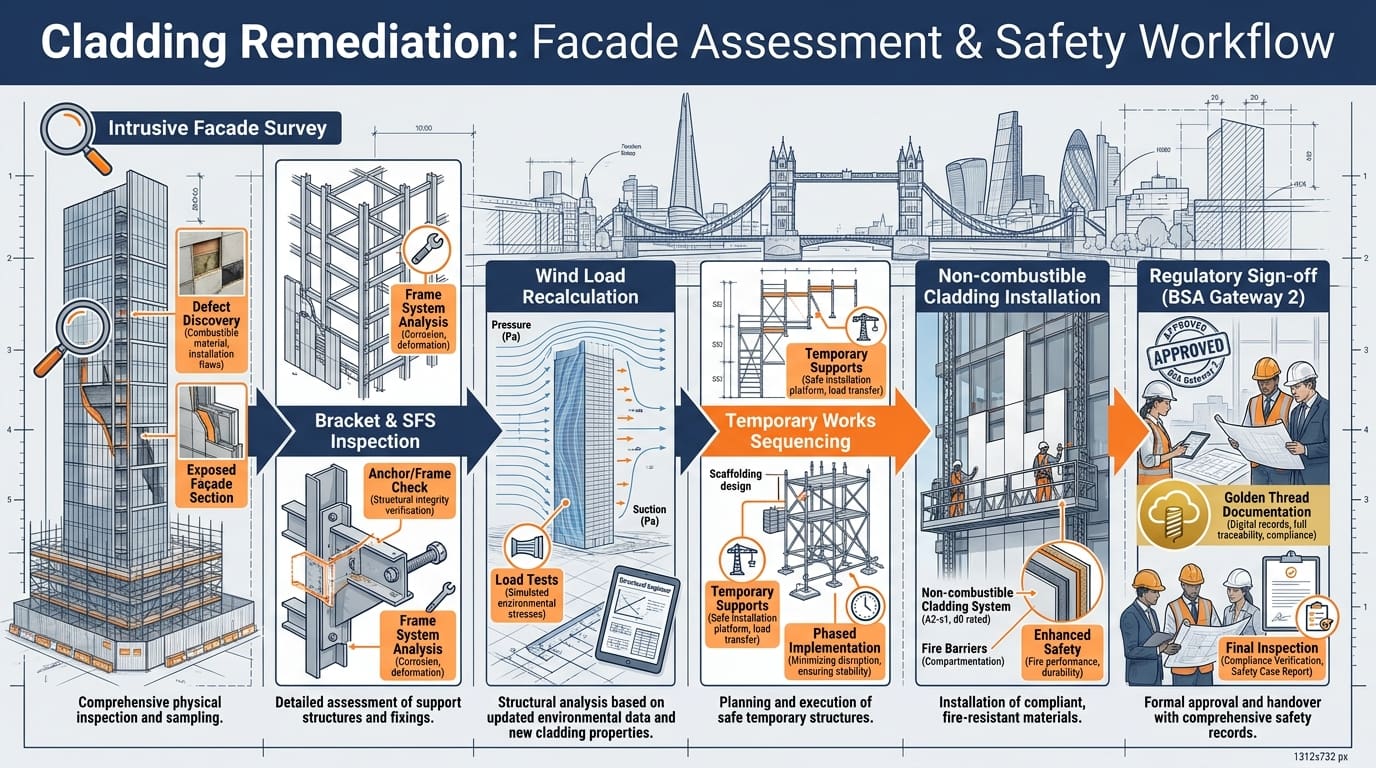
A temporary works design London, which is no doubt considered to be a constrained area, always calls for tailored systems rather than generic scaffolding systems. The structural engineers design the scaffolding system according to irregular geometry, reduced foundation, and insufficient tie-in points.
This custom-designed system helps to ensure the structural integrity of the scaffolding even when the site conditions are not favorable.
Risk Assessment
The approach that is usually followed by the engineers to conduct a scaffold risk assessment UK is comprehensive. It includes the assessment of load changes, risks sequencing and interface hazards with the public realm.
These risk assessments make the engineers capable of taking controllable measure against the possible risks.
Inspection Planning
The initial installation of scaffolding does not guarantee safety so there is always a need for comprehensive scaffolding inspection procedures to avoid incidents. To manage this, the structural engineers set the inspections protocols and number of visits that depend on the site-specific conditions.
With this approach some common issues such as settlement, loose connections, or damage are identified well before time.
Load Management
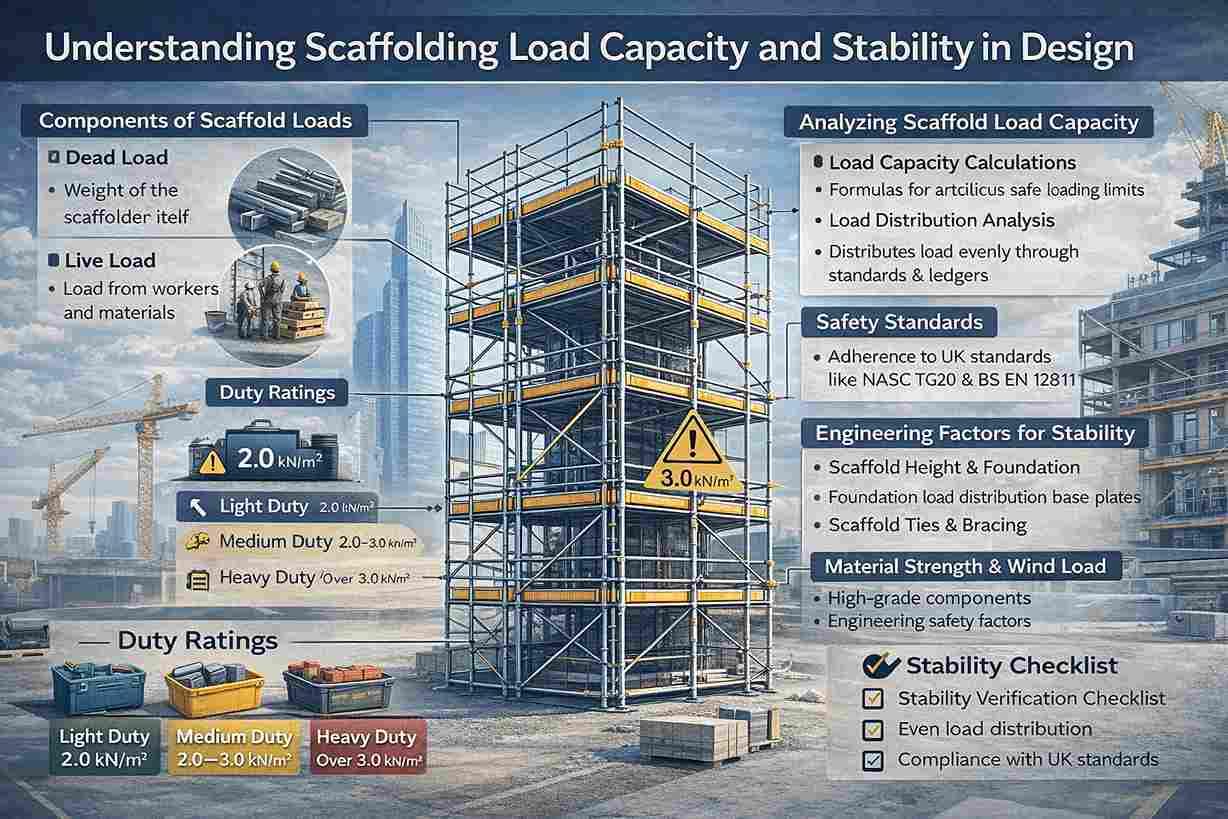
Another aspect of scaffold safety London Bridge is managing the heavy loads within the different spots at the construction site. The important factors that are under consideration of engineers include workforce numbers, stored materials and plant equipment.
The engineers try to make the scaffold flexible enough to maintain the structural integrity during the fluctuating conditions.
Environmental Factors
Every construction site is affected by the environment factors such as wind, vibration and traffic-induced forces. The same is the case with the sites in London Bridge projects where the structural engineers take these factors in account to prevent any possible collapse or damage. This approach results in the long term performance of scaffold performance.
Training Integration
Building a strong and everlasting scaffold in the construction sites is not possible without a formal safety training UK. Anyone claiming to build a scaffold without any certification would be rejected at once by the engineers because of its complexity.
Well-trained operatives are more likely to follow design intent that can reduce misuse-related risks.
Collaboration Process
It is important to have cooperation among all the different stakeholders that are directly involved in the construction of the building to ensure efficiency in scaffold safety. The constant interaction of the different stakeholders ensures that the design assumptions are in line with the plan.
Such a comprehensive approach enhances scaffold safety London Bridge performance through a harmonization between technology and reality on site.
Change Management
There are design changes that can take place in complex projects such as those that occur in cities, and the engineer needs to assess the effects of the modification on the structural integrity of the scaffold quickly. There are design principles of scaffold design compliance UK, and every modification is susceptible to checks to ensure continued compliance.
This controlled change management ensures that gradual risk factors do not compromise safety.
Public Protection
London Bridge environments require strong protection for the public with high traffic. Scaffolds are designed by structural engineers with extra protection systems.
In this way, the scaffold regulations London are followed, with due regard for the pedestrian public and adjoining property.
Long-Term Assurance
The safety of the scaffold does not conclude with its installation. The engineer continues to be involved throughout the entire lifetime of the scaffold. Regular reviews will ensure that the loading, status, and use of the scaffold are still consistent with its design.
This long-term monitoring is important in promoting trust in construction safety standards UK.
Conclusion
Working on the projects related to scaffold safety London Bridge involves more than adhering to the norm, rather it requires competent engineering skills and an active approach to management. The involvement of structural engineers ensures that scaffolding is erected to meet rigorous safety requirements.
When it comes to doing business in complex urban environments, the recommendation to employ the services of qualified structural engineers is no longer a matter of best practice but the smart thing to do. A project that requires high-risk temporary works is the perfect project to take the priority approach.