Introduction
Working for a Cladding Remediation Engineer London for many years we are following defined engineering principals from day one to ensure structural integrity and compliance. We always take ownership of the facade to ensure that every intervention is aligned with Building Safety Regulator Approval requirements. This approach is helping us to work on the complex High-Rise Facade Remediation projects.
How We Establish Risk Early: Facade Structural Appraisal
At Kitall, our Facade Structural Assessment process begins with an intrusive survey with targeted opening-up works to get an idea of intricate aspects. With this approach we can identify relevant defects in the structures that are not visible through non-intrusive methods.
The data we collect is immediately structured into the golden thread to ensure that every defect informs downstream design decisions. These findings are then shared with the accountable person so that the engineering risks can be mitigated immediately.
How We Validate the Backbone: SFS Inspection and Verification
Intrusive SFS Validation in Live Structures
As we always focus on verifying the load-bearing capacity of the secondary steel framing so our SFS Validation London process is usually executed in parallel with facade opening works. During this process we inspect connection integrity and installation tolerances in real site conditions.
With this approach we can guarantee revised loads follow ACM Cladding Removal in a new structure and minimize the risks that appear at the completion of the project.
Exposing Hidden Interface Failures
We consistently try to identify discrepancies between the approved design and actual built conditions. Special attention is given to bracket interfaces and slab edge connections. If any issue is highlighted it is immediately fed into our remediation design to ensure there is no difference between the inspection and execution.
We consider this stage as a fundamental in controlling risk of High-Rise Facade Remediation because often hidden defects can compromise both safety and sequencing.
How We Re-Engineer Performance: Wind Load Recalculation
When any defect is noted in the structure then we undertake a full Wind Load Facade Calculation based on the revised structural configuration. To overcome this we reassess pressures and fixings to alter load paths in the existing systems.
With the implementation of new calculations both permanent works and temporary conditions can be enhanced as it ensures that the facade performs under all stages of the remediation sequence.
How We Control the Build: Temporary Works Remediation Strategy
Sequencing Removal Without Compromising Stability
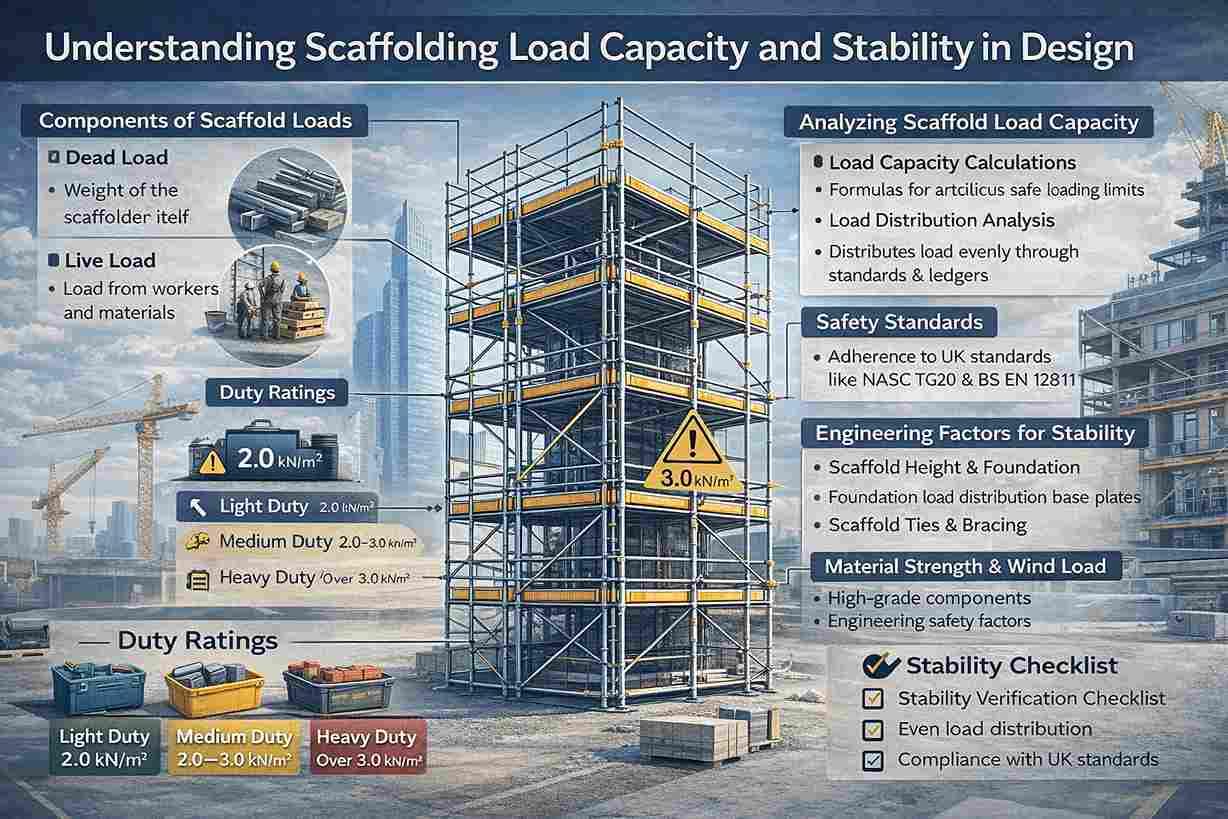
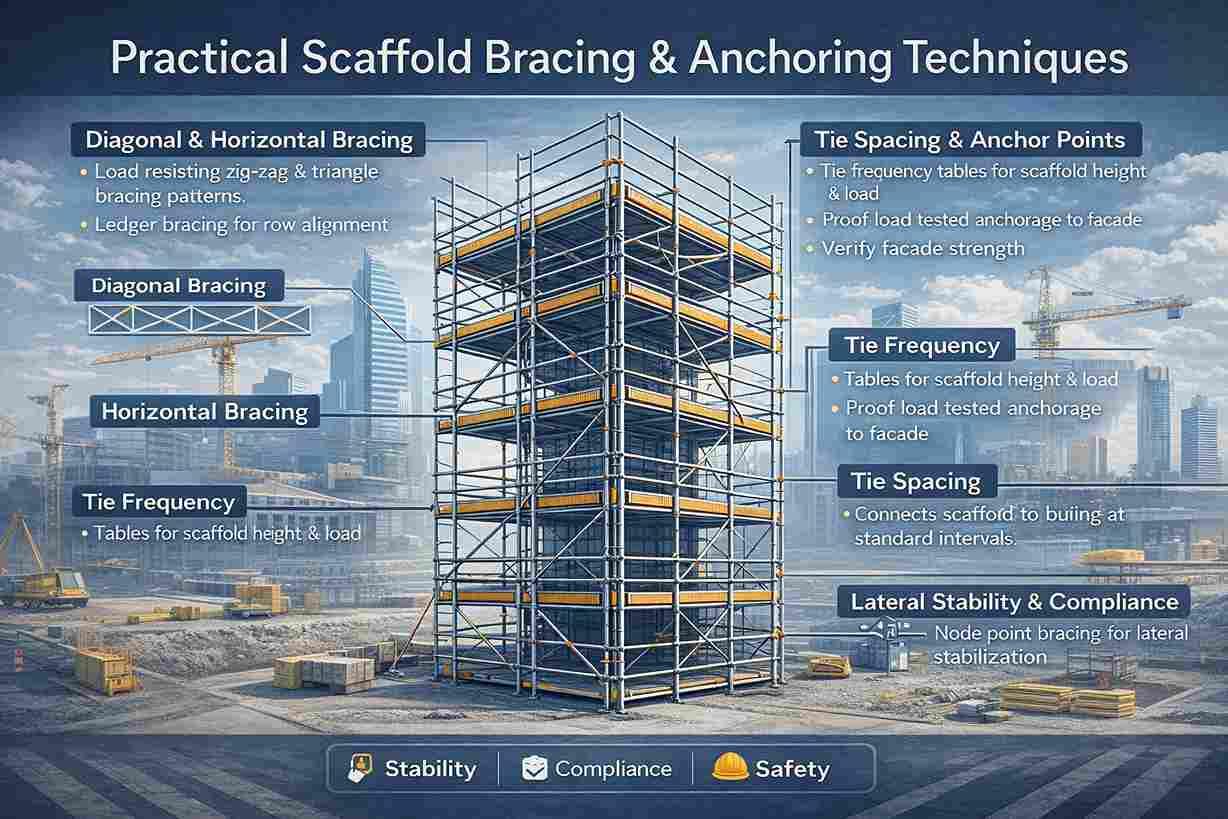
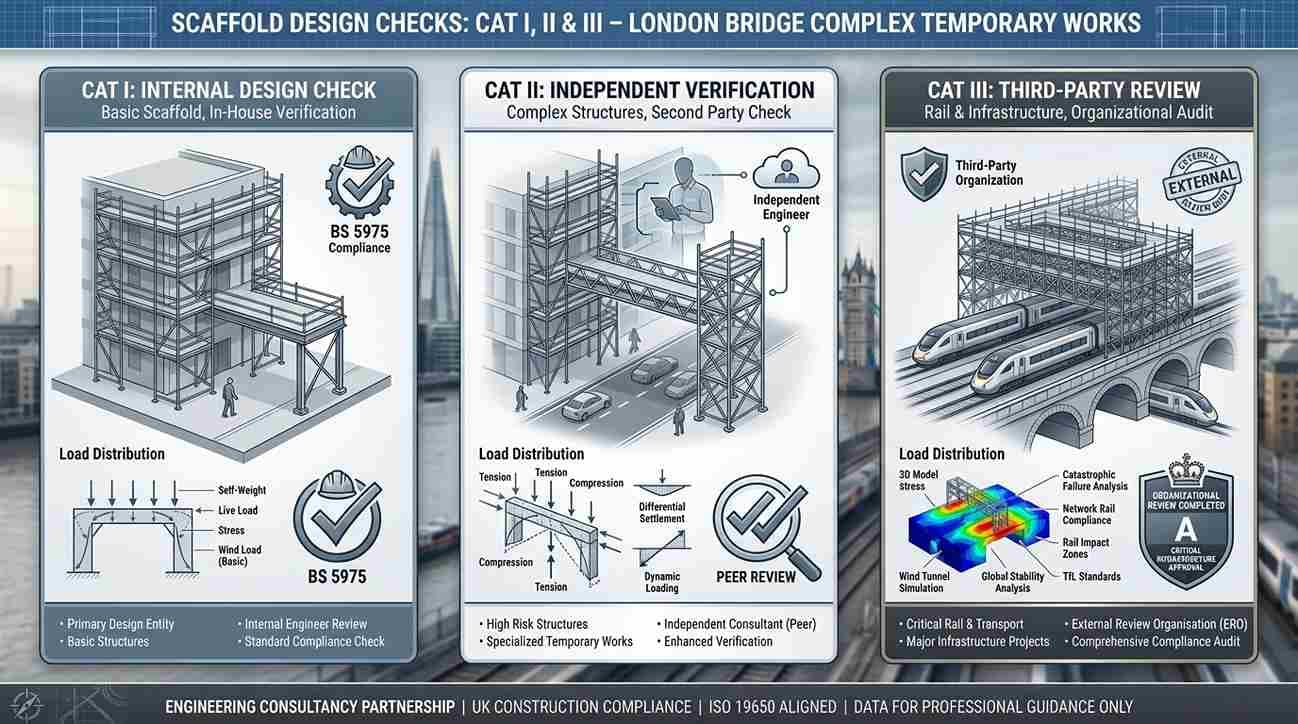
Our Temporary Works Remediation design is developed alongside the contractor’s programme to maintain structural stability throughout phased removal. We have created a mechanism to define a precise sequencing because it will make the facade long lasting during transition stages.
Integrating Replacement Systems into the Sequence
We align temporary works with the installation of Non-Combustible Cladding Specification because it makes the interim and permanent states compatible. This integration avoids rework and supports continuity across all stages of construction work. While working on the remediation our goal is not only the safety but also the construction feasibility within constrained urban sites like London Bridge.
How We Deliver Compliance: BSA Integration and Approval
We embed PAS 9980 Assessment directly into our engineering workflow to ensure that we can assess the risks associated with fire and structure at the same time. This integrated approach allows us to strengthen the technical basis of our remediation strategy.
This strategy also allows us to support building safety regulator approval which also includes coordinated submissions for Gateway 2 approval. We also align our documentation with the Cladding Safety Scheme London to synchronize the funding with compliance.
How We Close the Loop: Engineering Sign-Off and Assurance
At the completion of every project we verify that the structure meets design intent and regulatory expectations. All as-built conditions are noted to make the auditable record for future in the golden thread.
Any accountable person can rely on our sign-off documents because it is prepared according to the compliance. This also indicates that we follow a process that enhances the building operational lifecycle.
Conclusion
At Kitall, our methodology as a Cladding Remediation Engineer London follows predefined principles that are built on control, verification, and integration. We are managing every stage of construction to improve the buildability of the project.
For complex London Bridge projects, early engagement with our team ensures that remediation is engineered, not improvised. Engage with Kitall to deliver a fully compliant and structurally sound remediation strategy from the outset.