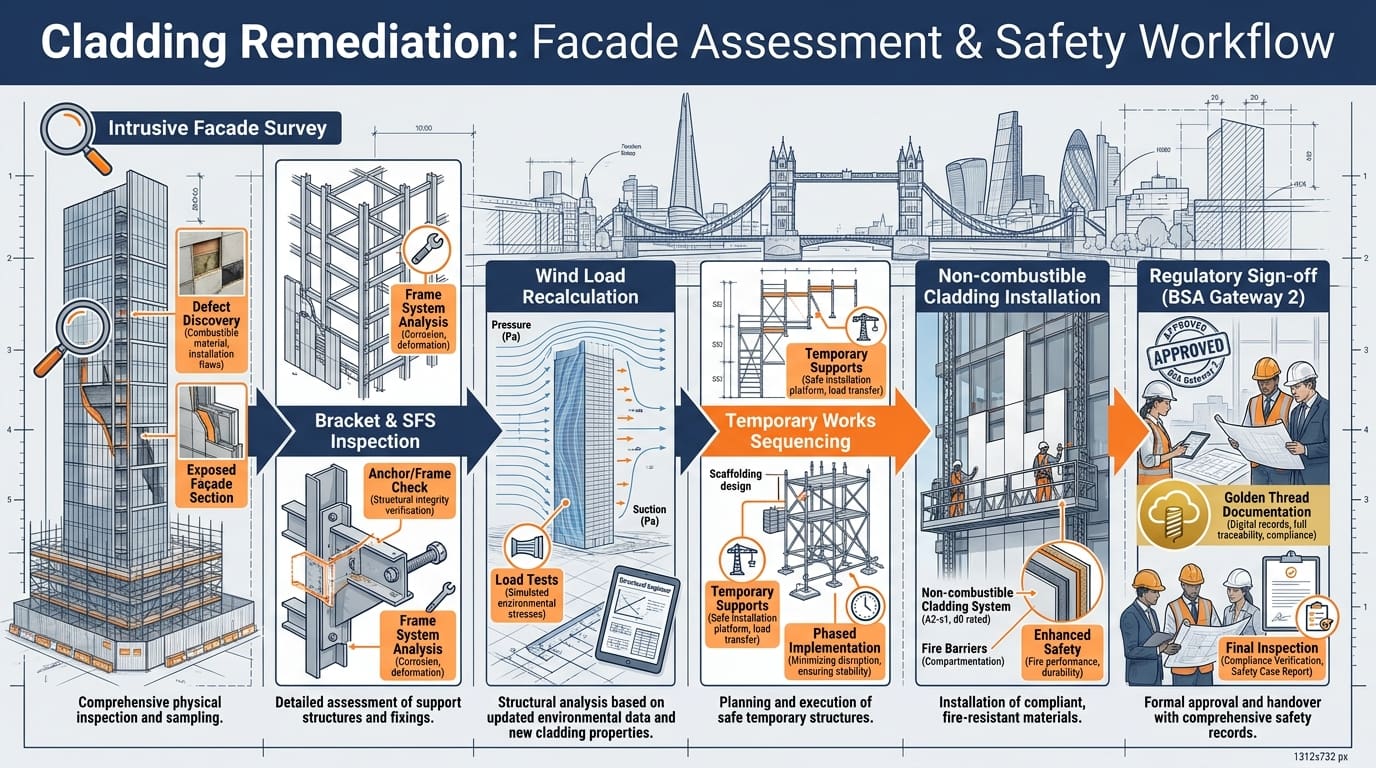
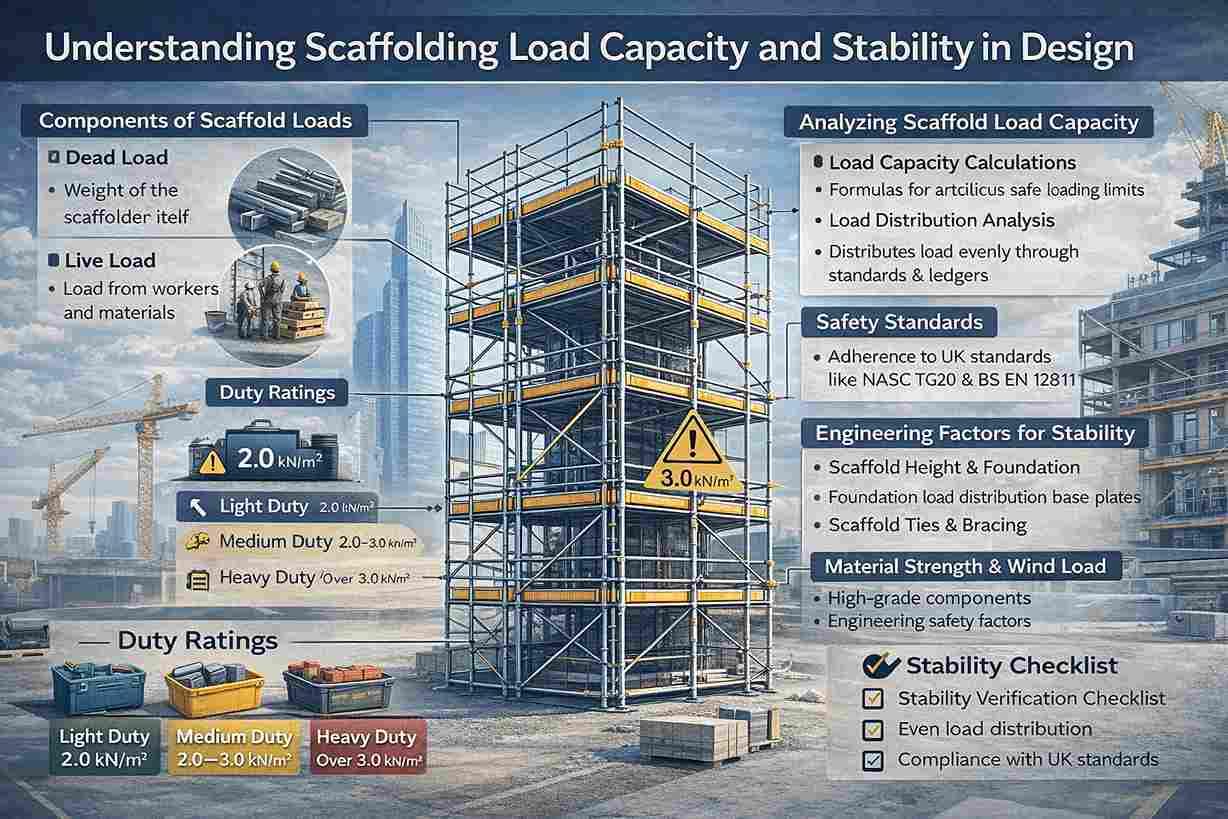
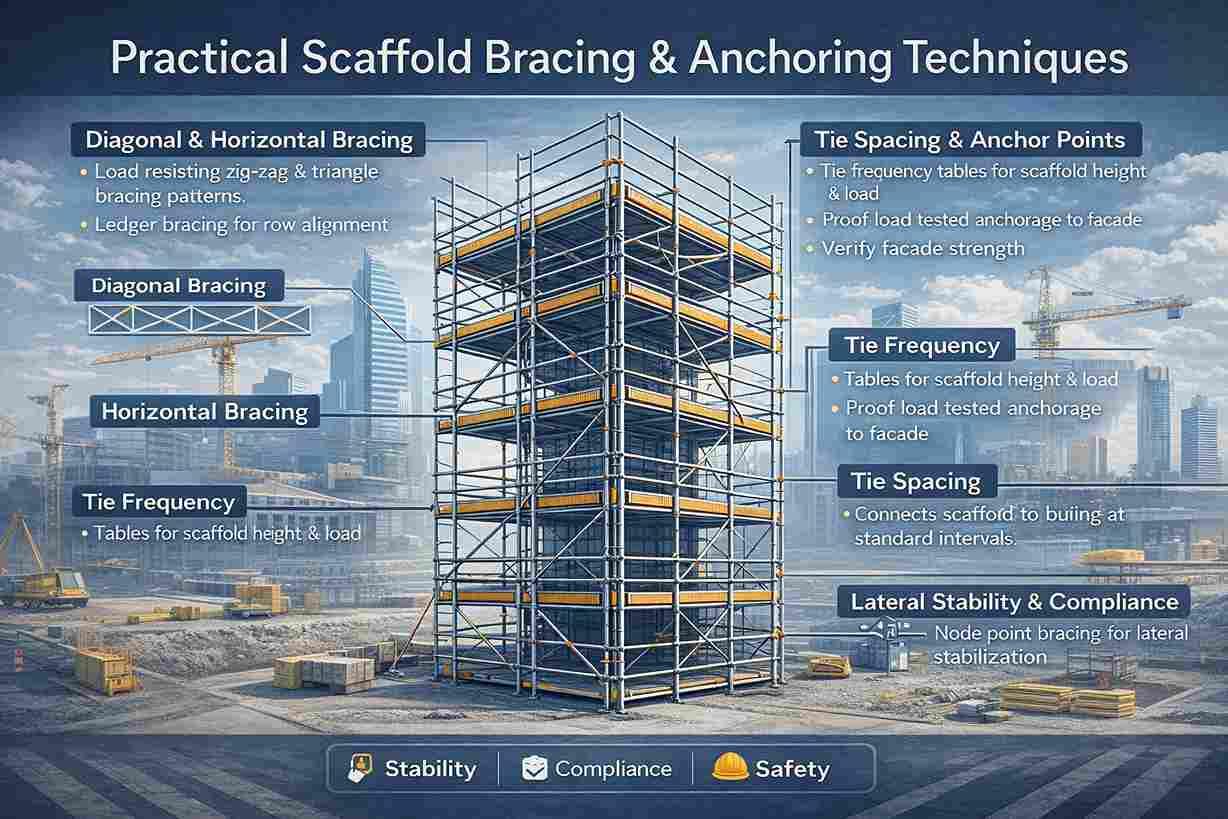
Engineering transformation always starts from the places that have a rich architectural and cultural history. In the UK, the London Bridge stands as one of the most dynamic and architecturally ambitious districts for construction innovation. The future of structural engineering London Bridge helps to manage the growing urban population and fulfil the complex construction needs. The future construction needs are not only dependent on the infrastructure design but it should also cater to digital intelligence and sustainable progress.
To build these future ready structures every stakeholder must follow the emerging trends to compete with the global trends.
Urban Evolution
To maintain the beauty of the place London Bridge now demands a fast-paced redevelopment to meet the changing urban needs. The construction work has already begun in which older buildings are being upgraded and new towers reshaping the skyline. Teams that are working on these projects always seek better ways to design and deliver resilient structure. This approach sets a new benchmark in structural engineering trends London to make the place more attractive.
The ultimate goal of following this trend is not just just about enhancing the appearance of buildings but continuing the area’s transformation.
Innovative Builds
Few recent innovative construction solutions London Bridge developers are following ranges from advanced formwork systems to modular construction techniques. These approaches help reduce project timelines while maintaining high levels of accuracy and structural stability.
The future construction at London Bridge will be based on the innovative construction practices to utilise the buildings to there maximum extent.
Advanced Design
The demand for advanced structural design UK continues to rise as projects become more complex. Modern engineering is now dependent on the planning tools that allow for predictive modelling and precision design. Before initiating the construction different tools are now being used to anticipate challenges well before time. Advanced simulations, load testing models and 3D digital environment has improved the accuracy and collaboration between architects and engineers.
Modern Practices
Professionals are adopting modern engineering practices in construction to streamline processes and boost efficiency. Today the perfect project outcome is the result of technology i.e. AI-supported modelling and collaborative tools to keep all the stakeholders in sync. This collaboration allows that the engineering vision aligns perfectly with onsite execution.
For an area like London Bridge, such practices are essential for handling the region’s structural challenges.
Sustainable Focus
Environmental protection is the top priority in every industry so as in UK construction sectors. Engineers are also following sustainable structural solutions London to deliver environmentally friendly projects. The energy-efficient design strategies are now based on greener construction material and waste reducing building methods.
The ultimate goal is to reduce carbon outputs and follow London’s broader commitment to environmentally responsible development.
Smart Technologies
The integration of technology into engineering is expanding rapidly. New smart building technologies UK are transforming how structures are monitored, managed, and maintained. These systems are capable of providing real-time data related to the company performance through analysing the energy usage and its impact on the environment.
The safety of buildings has enhanced with these advancements as they are offering transparency for owners and operators.
Civil Innovation
The future of London Bridge infrastructure seems promising with the evolving civil engineering innovations. Today civil engineers are working to modernize the design of every structure that starts from an improved drainage system and extends to advanced transportation structures. It will help to mitigate risks associated with dense urban development and strengthens the overall reliability of the area’s built environment.
Tech Advancements
Everyday there is the launch of a new digital tool that is specifically designed to improve project planning and execution. Construction technology advancements London is automating the workflows, streamlining communication and improving structural accuracy. Today tech advancement augments the engineering team with precise results even when they are working on the complex sites.
Structural Software
Another aspect of technological advancement includes different kinds of structural analysis software UK to shape engineering strategies. Now professionals can evaluate the structural tolerance when exposed to high stress, vibration, wind and load scenarios. These tools provide engineers with a clear understanding of potential risks and helps to reduce the human errors to build resilient buildings.
Future-Proof Builds
The professional engineering teams suggest future-proof building design for new constructions to cope with technological changes and environmental factors. This approach will help to construct buildings that can adapt through flexible layouts instead of becoming outdated. Adaptability in construction is essential for sustained structural integrity and supports long-term value for property owners.
AI Integration
Artificial intelligence is emerging as a transformational force in the construction industry. Today the structural inefficiencies and design drawbacks are easily analysed by AI-driven modelling tools. The analyses of large data sets with the modern tools will help to speed up planning and support stronger decision-making. The future of structural engineering London Bridge is greatly influenced by AI that can enhance both precision and creativity.
Digital Collaboration
In any construction project, a close coordination between all the working teams can guarantee the success of the project. Today cloud-based digital platforms are allowing engineers and contractors to access updated structural information in real time. It helps to reduce delays that mostly occurred due to conflicting versions of documents and cross-functional communications.
These digital collaboration systems are particularly beneficial in areas like London Bridge, where large-scale developments require seamless teamwork.
Material Innovation
The construction industry has also witnessed advancements in the raw material to construct durable and sustainable structures across London. The new materials not only offer greater environmental efficiency but the strength-to-weight ratios also improved from lightweight composites and recycled steel.
Urban Resilience
The challenges that London Bridge is currently facing are related to the intense population density, environmental changes and aging infrastructure. To manage these issues the engineers are now prioritising resilience in every new project which make them safer and function well during extreme weather, ground movement, and increased occupancy.
Conclusion
The future of structural engineering London Bridge is guided by innovation, sustainability, and digital transformation. To make the future structures safe and reliable, engineering teams and developers must adopt the smart technologies to prepare sustainable building strategies.
If your organisation is looking for construction projects near London Bridge, today is the best time to collaborate with engineering experts who can help you build smarter and more sustainable structures than ever before.