When you plan an extension, loft conversion, or major renovation near London Bridge, hiring the right expert can mean the difference between success and structural headaches. Choosing a trusted Structural Engineer in London Bridge ensures safety, compliance with regulations, and the peace of mind that your project stands on solid foundations.
In a city like London, with older buildings, strict regulations, and complex construction history you need more than just any engineer. You need someone who understands local building codes, has proven credentials, and can guide you through design, inspections, and approvals from start to finish.
What Structural Engineers Do in London Bridge: Roles & Responsibilities
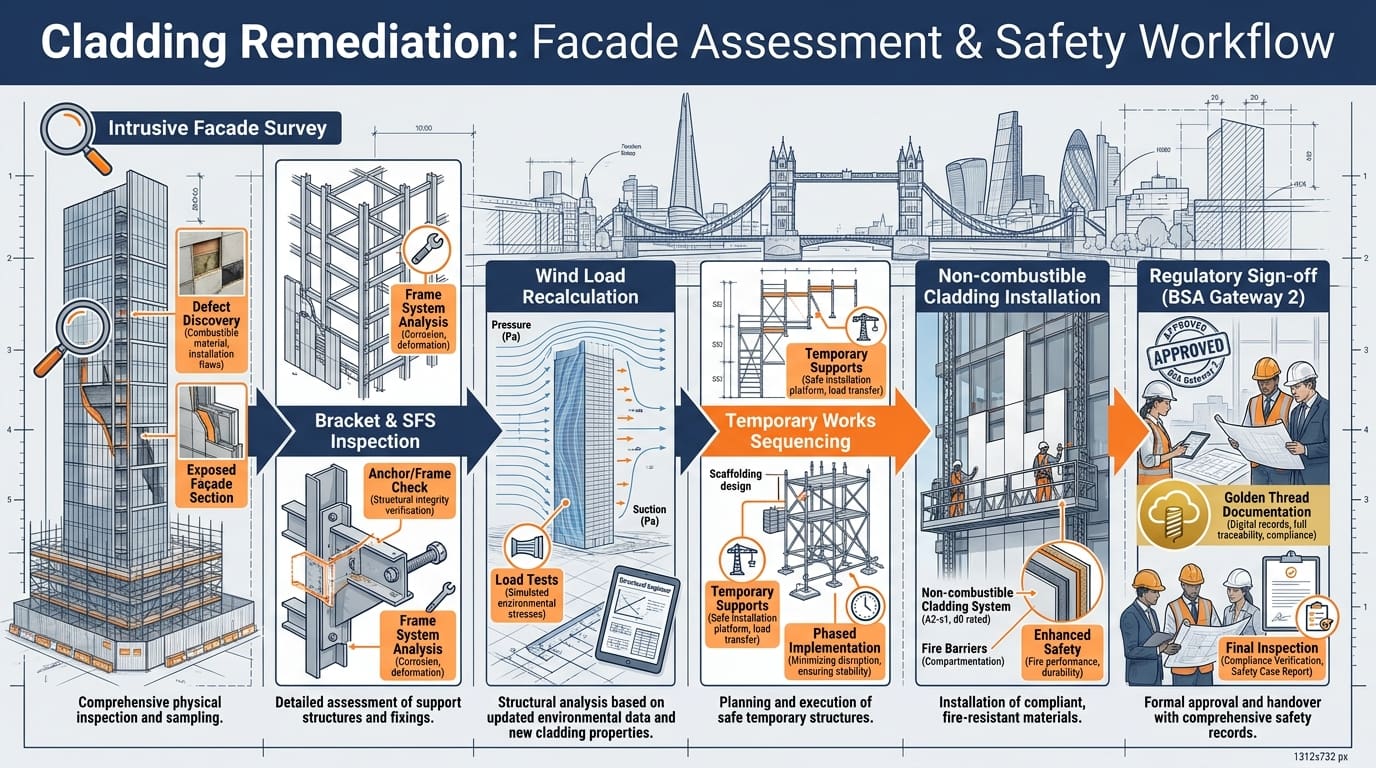
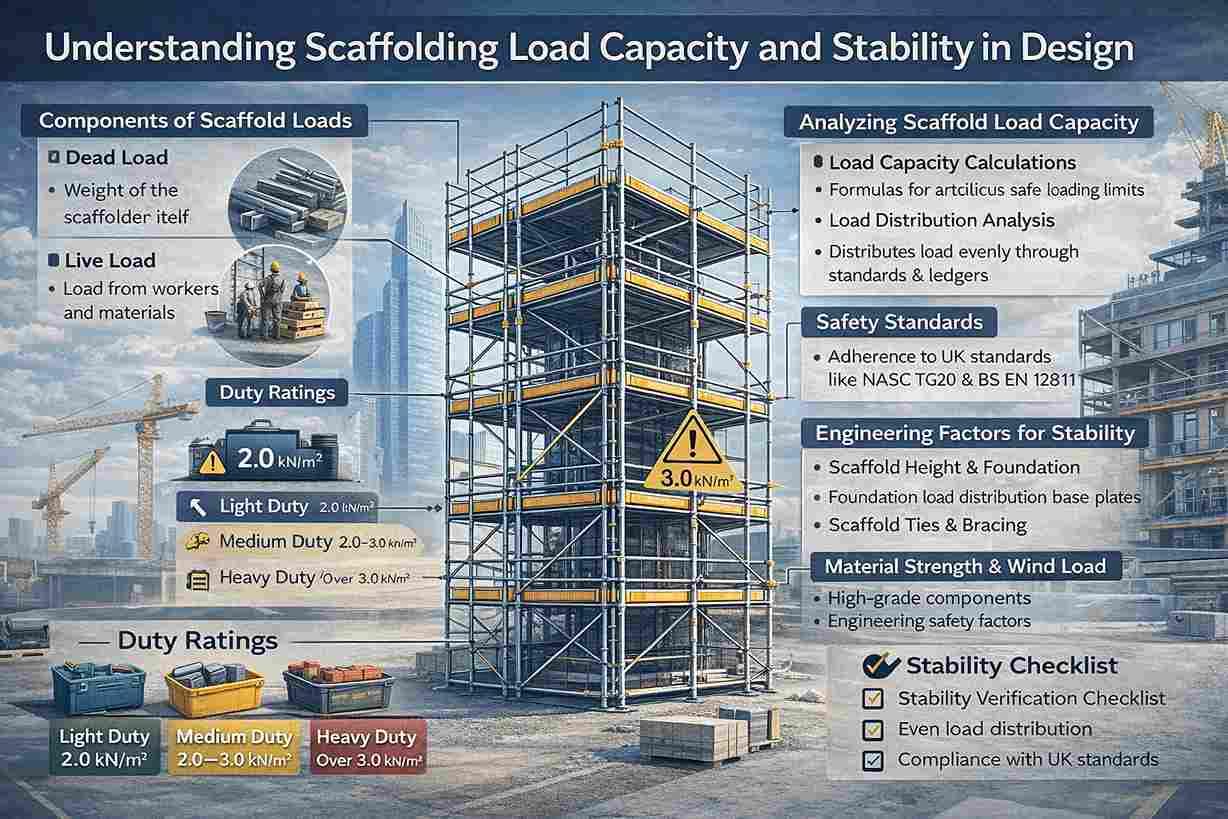
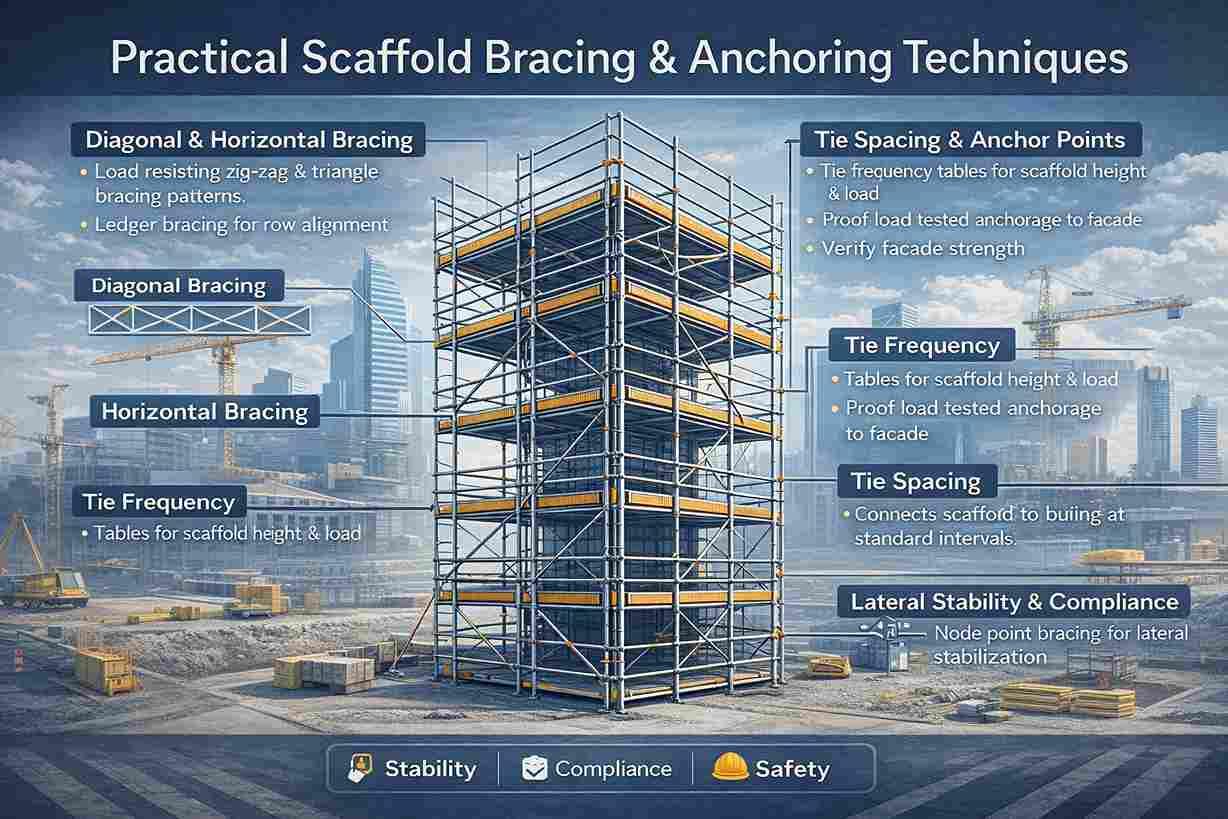
A structural engineer’s job is to design and analyse the load-bearing elements of buildings: foundations, beams, walls, roofs, and structural reinforcements. In the London Bridge area, they also consider soil conditions, historical building constraints, and local standards.
They prepare detailed drawings, structural calculations, and reports that architects, contractors, and building control use during construction. They also conduct site inspections to verify existing structures or proposed changes for safety and compliance.
Whether you’re removing a load-bearing wall, building a loft conversion, or adding an extension, a skilled engineer ensures the project meets legal and structural integrity requirements.
How to Choose a Structural Engineer in London Bridge: Key Qualities to Look For
Start by checking professional credentials. A reputable engineer should hold chartered status with recognised bodies such as the Institution of Structural Engineers (IStructE) or the Institution of Civil Engineers (ICE).
Next, confirm that they carry professional indemnity and public liability insurance. These safeguards protect you if errors occur in calculations or assessments.
Their experience must align with your project type: home renovation, commercial structural work, basement development, or heritage-building alterations. Reviewing similar completed projects helps you assess fit and capability.
Local expertise is also extremely valuable. A structural engineer near London Bridge who understands the area’s building stock, age-related challenges, and common structural issues can deliver faster and more accurate solutions.
Finally, communication is essential. A strong engineer will explain their findings, reports, and recommendations clearly without unnecessary jargon, ensuring you’re confident in every step.
Steps to Hire a Structural Engineer in London Bridge
Begin by shortlisting engineers who specialise in your specific needs such as structural surveys, extensions, beam calculations, or renovation support. Ask about their background with London Bridge properties, especially older or mixed-use buildings.
Request a clear scope of work and fee estimate. This document should outline site visits, structural calculations, drawings, and any structural inspection guidance in London Bridge required for building control approval.
Then, seek references or case studies. Past client experiences offer insight into reliability, communication, and the engineer’s ability to manage unexpected structural complications.
Verify that the engineer holds the necessary accreditations and carries full insurance coverage. This ensures both legal compliance and financial protection.
Finally, secure a written contract detailing deliverables, timelines, responsibilities, and total costs. A well-defined agreement sets expectations and reduces the chance of misunderstandings later.
Understanding Structural Engineer Reports in London Bridge
When a structural engineer completes an inspection or assessment, they provide a detailed report outlining structural conditions, risks, load-bearing calculations, and any recommended interventions. These documents are essential for construction approvals, renovation planning, or property purchases.
In the London Bridge area which is known for its older brick buildings, river-adjacent foundations, and mixed commercial-residential structures, reports often include additional checks for movement, subsidence, moisture, and structural fatigue.
A strong engineer will explain the report in simple terms and ensure you understand the implications. Clear reporting supports better decision-making and smoother communication with architects, contractors, and building control.
You should always expect the report to meet current UK building-safety regulations, including updated guidance introduced in recent years. Accurate calculations and clear documentation are critical for approval and long-term structural safety.
Tips for Evaluating Structural Engineers Near London Bridge
When assessing engineers, start with industry-recognised directories and professional bodies rather than solely relying on generic listings. This ensures you’re viewing qualified and vetted professionals.
Avoid basing your decision exclusively on price. Extremely low costs may indicate limited scope or inadequate detail in the proposal, which could create expensive problems later. Higher-quality engineers typically provide more accurate, compliant, and actionable work.
Ask meaningful questions during consultations. Topics such as their approach to inspection, timeline for delivering reports, past experience with similar buildings, and their understanding of local building regulation advice in London Bridge will help you identify the right fit.
Above all, evaluate communication. A competent engineer will answer questions directly, articulate complex concepts clearly, and ensure that you feel informed rather than overwhelmed.
Conclusion: Secure Your Project’s Success By Choosing the Right Structural Engineer in London Bridge
In the London Bridge area choosing the right Structural Engineer in London Bridge is vital for any safe and compliant building project. The right expert ensures structural stability, meets legal obligations, and prevents costly errors throughout the construction process.
By understanding qualifications, reviewing previous work, asking the right questions, and verifying insurance and competency, you can confidently select an engineer who aligns with your project needs.
If you’re planning renovations, structural changes, or a new build, now is the ideal time to shortlist qualified professionals and begin your assessment process. A strong structural engineer is your most important partner in ensuring your project’s long-term safety, value, and success.