Introduction: Why Scaffold Design Checks Matter on High-Risk Projects
Safety and compliance is always crucial in the construction industry and if the project is carried out in an area like London Bridge then the complexity increases many folds. All the categories of CAT i.e. CAT I CAT II CAT III Scaffold Design Checks ensures that scaffold structures used in infrastructure and commercial projects are reviewed thoroughly before installation begins.
This approach should be the core part of the temporary works design check procedure as it augments the project teams to identify any structural flaws and meet strict UK safety standards. Similarly if the construction project is near the railway public walkways, or busy transport corridors then having a robust scaffold design safety checks ensures human and infrastructure safety.
Contractors, engineers, and project managers can select the appropriate level of verification for each scaffold design by having a sound understanding of scaffold design check categories which are defined under British standards.
Understanding the Risk-Based Framework Behind Scaffold Design Checks
The BS 5975 design check categories establish a structured method for reviewing temporary works designs as it covers the topics related to risk, complexity, and potential consequences of failure in a comprehensive manner. This system ensures that scaffold design checks are carried out by appropriately qualified professionals that can work independently according to the assigned category.
Within the temporary works checking categories UK, there are three primary levels of scaffold designs as mentioned below:
- CAT I scaffold design check
- CAT II scaffold design check
- CAT III scaffold design check
Each of these categories has its own technical specification which is based on the complexity of the design.
CAT I Scaffold Design
A CAT I scaffold design check is typically used for simple scaffold structures where risk levels are relatively low and design complexity is minimal. These might include straightforward towers, basic loading platforms, or standard access scaffolds used for short-term construction tasks.
Under this category, the scaffold design review process UK allows the design to be checked by another competent member of the same design team. During the review process the focus is on verifying that calculations, assumptions, and drawings according to the design brief and established standards.
Although CAT I checks do not provide any significant independence, they still play an important role in maintaining quality control within the structural engineer scaffold design review process.
CAT II Scaffold Design
A CAT II scaffold design check is required when scaffold structures involve greater complexity or when humans are at higher level of risk. For example, this includes large loading bays, truss-out scaffolds, temporary roofs, or structures supporting heavy equipment.
In this category, independent scaffold design verification becomes a key requirement. The design must be checked by a qualified engineer who was not involved in producing the original design to ensure a rigorous assessment.
CAT II is commonly used for scaffold design checks for infrastructure projects in which scaffolds interact with public spaces or sensitive structures. This process strengthens accountability and reduces the likelihood of design errors before reaching the construction phase.
CAT III Scaffold Design
A CAT III scaffold design check represents the most rigorous level of design verification and is required for highly complex systems. These may include scaffolds supporting structural loads, cantilevered structures over railways, or temporary works above active transport infrastructure.
For these projects, the complex scaffold design approval process requires that a separate organization verify the structure design. This independent review provides the highest level of technical assurance within the risk based scaffold design approval framework.
Projects governed by network rail scaffold design requirements often fall into this category due to the severe consequences associated with structural failure near live rail operations.
Once the review is completed an independent scaffold design check certificate is typically issued to confirm that the design complies with the original brief and safety requirements.
Why Scaffold Design Checks Are Critical for Infrastructure Projects
Scaffold failures can lead to severe consequences which include worker injuries, public safety incidents, project delays, and regulatory penalties. It is important to have a proper scaffold design safety checks because it can eliminate the associated risks in weak structures before construction begins.
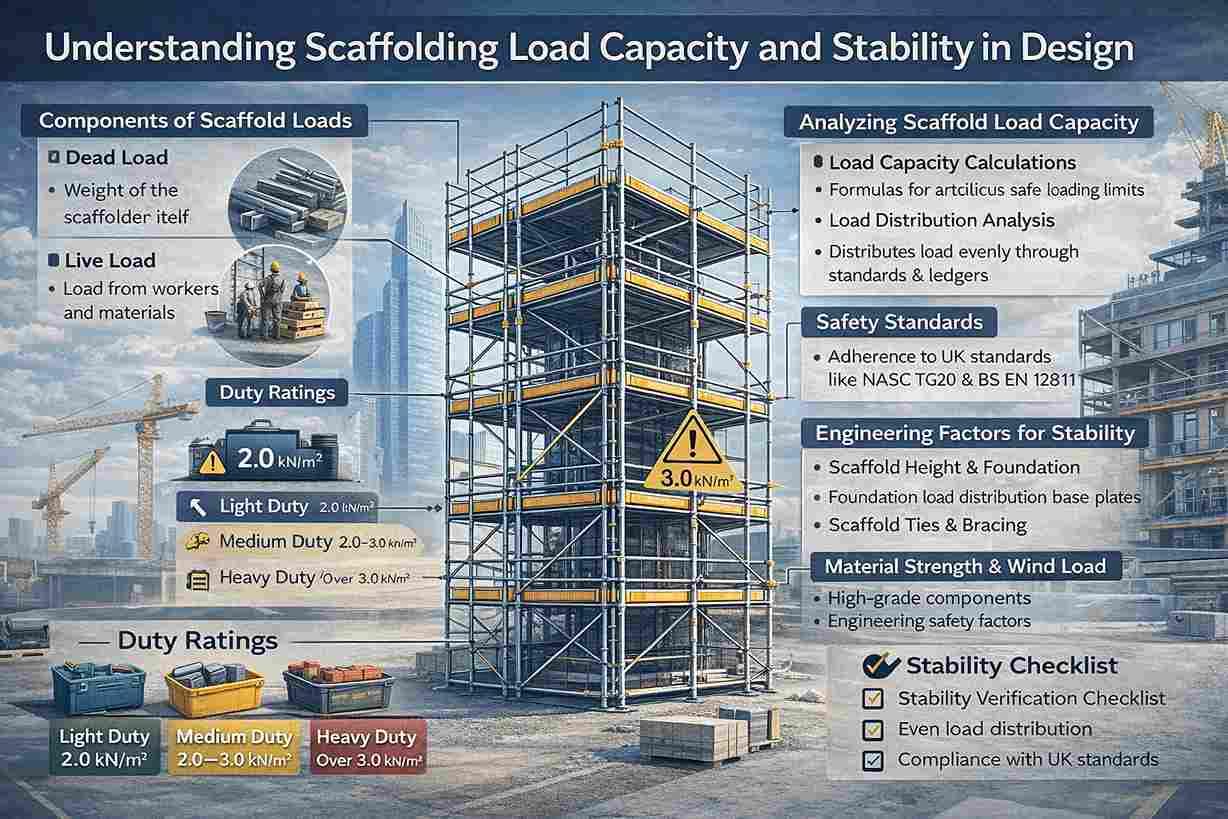
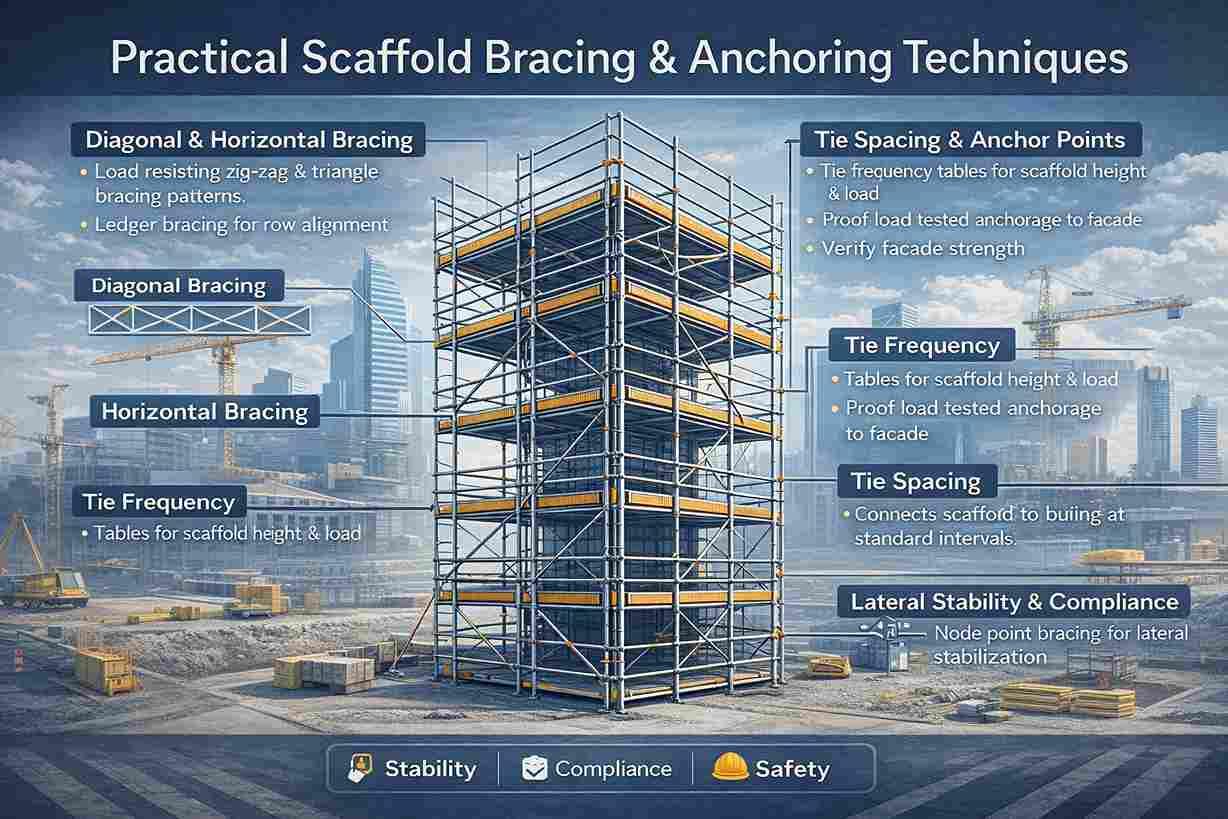
For large infrastructure developments around London Bridge and similar urban environments, the temporary works design check procedure acts as a safeguard. In order to minimize the uncontrollable events the engineers analyze load paths, wind forces, tie patterns, and support conditions to confirm that the scaffold will perform safely under real-world conditions.
How the Scaffold Design Review Process Works in Practice
The scaffold design review process UK starts with a detailed design brief, which includes constraints, loading requirements, and site conditions. The engineers then carry out calculations and drawings to define the scaffold system.
After completing the design, the category of the design check is assigned from the design check categories under BS 5975, depending on the complexity and risk of the design. The checker is then assigned to carry out an independent assessment of the calculations and assumptions.
If the design meets all requirements, confirmation is made, and an independent scaffold design check certificate is issued to approve the design for construction.
Conclusion: Building Safer Temporary Works Through Structured Design Checks
All the categories of CAT i.e. CAT I CAT II CAT III Scaffold Design Checks provides a reliable and structured approach to verifying scaffold designs. Within the UK construction industry it is important to align the level of review with the complexity and risk of each project before the ground work begins.
No matter of the structure type, having a correct temporary works checking categories UK ensured the safety and compliance of the project. These checks not only safeguards the structures but also the people who are working on and around them.
If you are initiating construction work that requires scaffolding then you should engage qualified engineers. The independent design verification ensures that scaffold systems meet the highest safety standards before construction begins.