Introduction
Today modern construction designs have also increased the construction safety expectation because of the complex risks involved in their delivery. To deliver these complex structures 3D scaffold design UK tools are assisting the structural engineers in maintaining the safety and regulatory compliance. The modern scaffold designs are now made through digital modelling along with the engineering expertise and considered to be more precise, predictable, and aligned with real-world site conditions.
Modern Scaffold Planning
Although scaffolding comes under the temporary work, it requires a critical engineering system before initiating the work on any site. Now structural engineers are heavily relying on CAD scaffold design UK to finalize the layouts that are accurate in their measurements to support the intended loads and site constraints.
This approach also allows the engineers to avoid the construction activities shutdown by pointing out faulty designs that usually appear during on-site assembly.
Engineer-Led Design
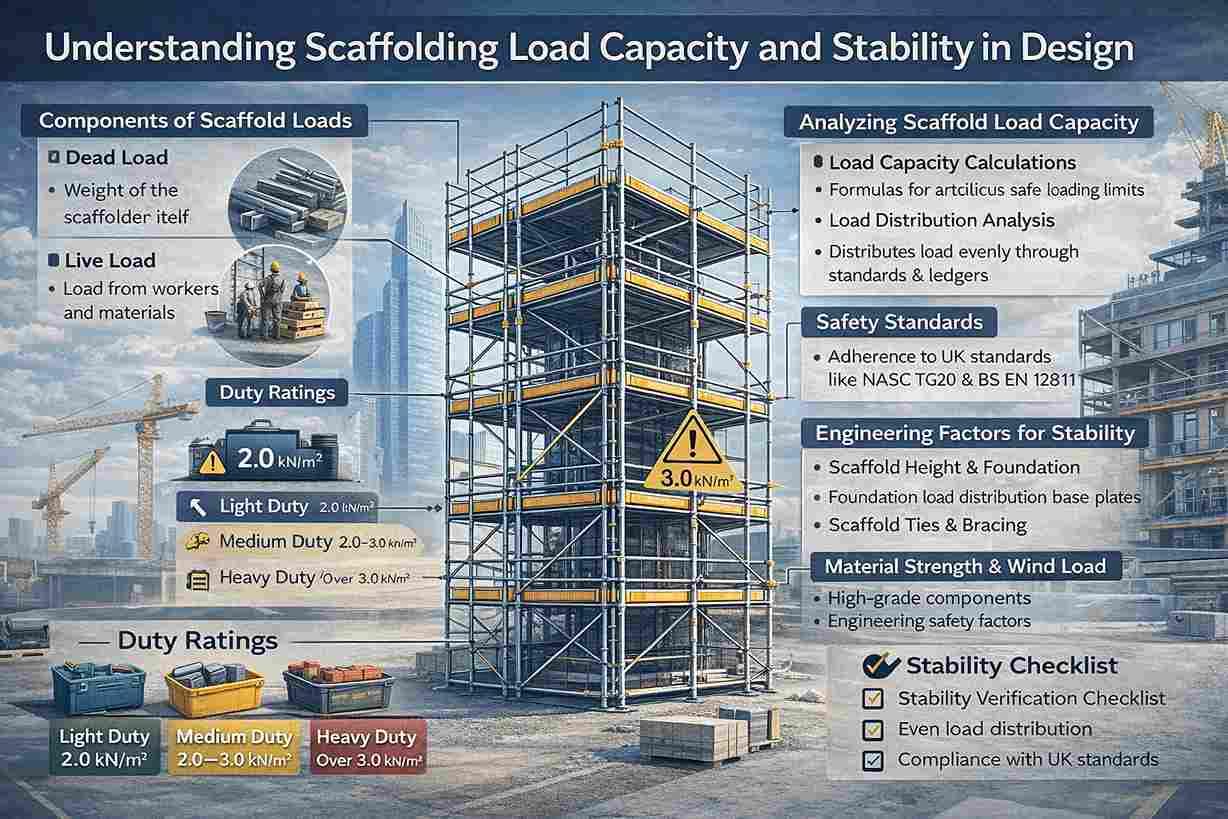
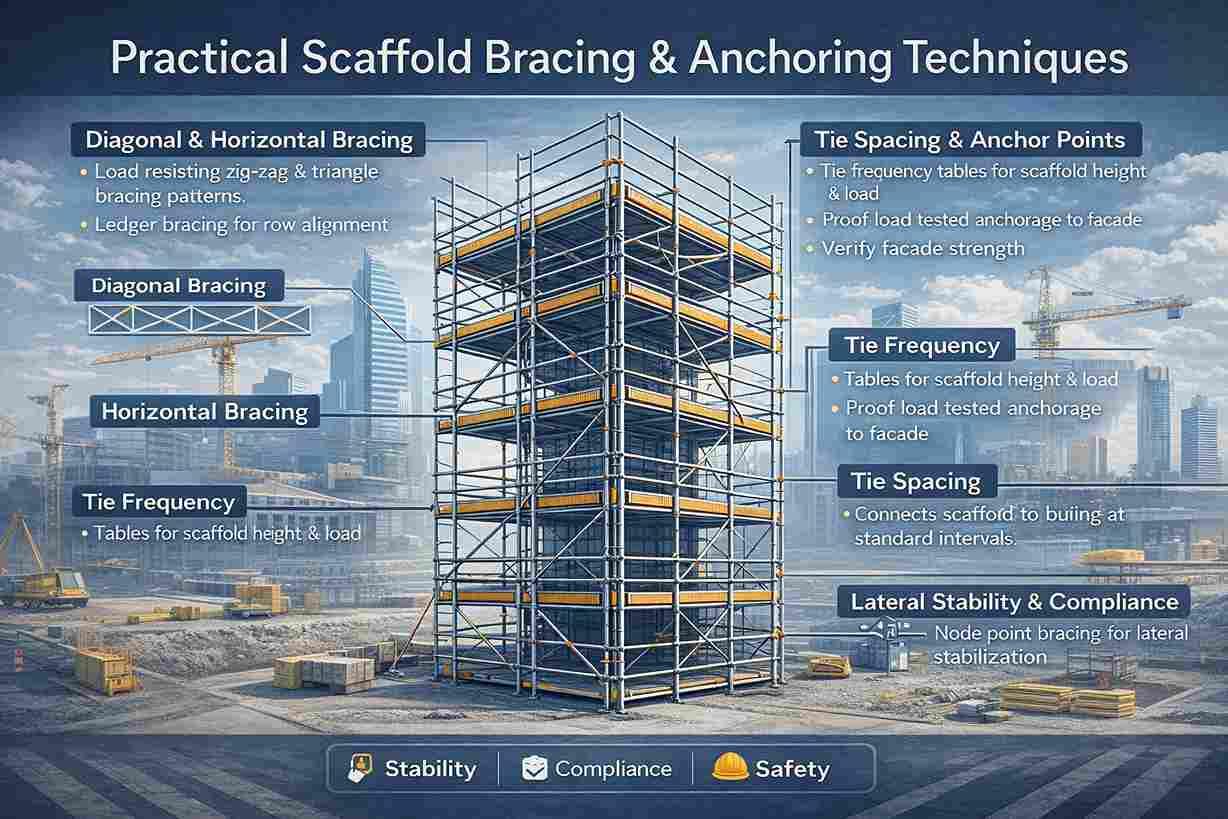
The safety of supporting structure depends on structural engineer scaffold design which is finalized after assessing the bearable load, stability and environmental forces. Engineers utilised digital models to make the structure compliant with the regulations and purposes solutions that are according to the specific design.
This approach ensures scaffolding structures are uniquely engineered instead of just improvising the conventional approach.
Improving Safety Outcomes
The main benefit of using the digital designs is the adherence to scaffold safety compliance UK. With the help of 3D designs, engineers can analyse the weak points in structure to avoid the fall risks and ensure stability during the design process.
Using these modern techniques helps the contractors to maintain a safer work environment by avoiding the reactive safety measures.
Role of 3D Models
Using 3D modeling for scaffolds can identify and mitigate risks during the planning phase of the project. Engineers are able to simulate loads, design workers moving path and material handling to analyse the strength of structure under real conditions.
This proactive modelling supports safer design decisions and enhances communication among the stakeholders.
Advanced Design Tools
Modern scaffold design software UK lets the engineers implement their final calculations on the real structures with confidence. These tools are capable of meeting the structural requirements along with the safety regulations.
Engineers can also perform rapid revisions to the designs to match the site conditions or any change in the project scope.
Temporary Works Integration
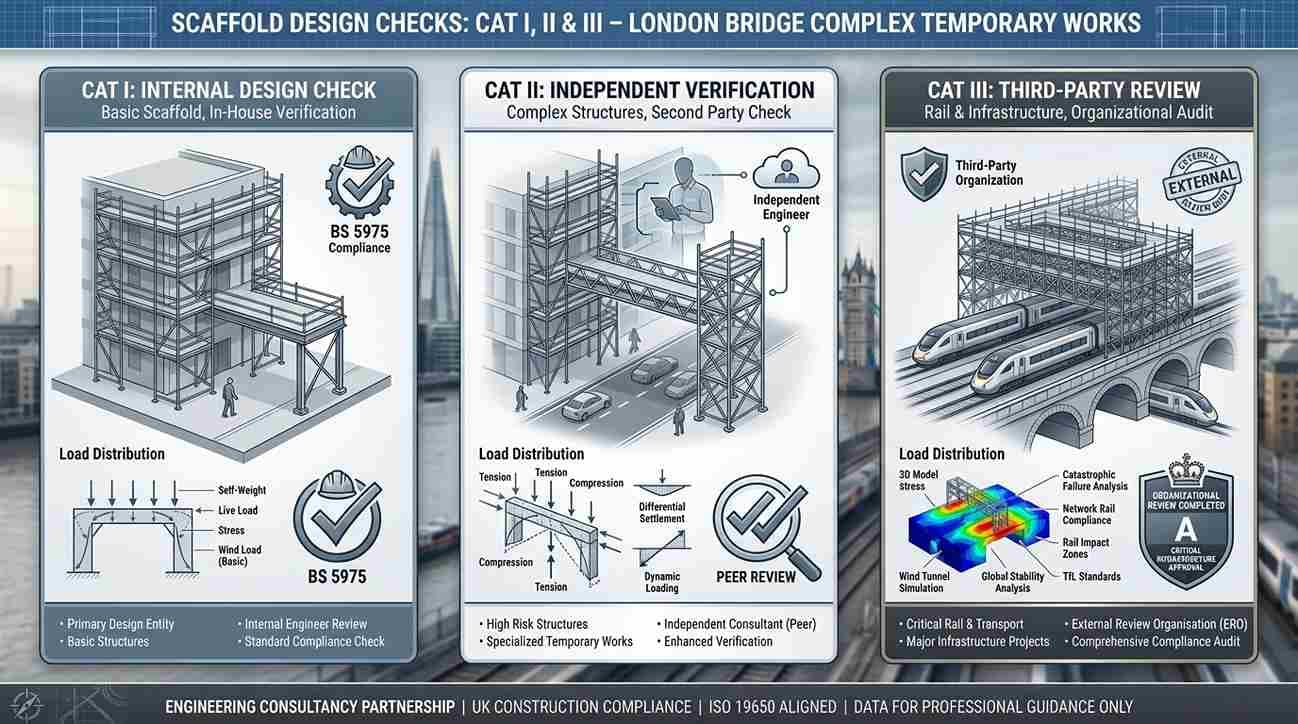
As scaffolding is considered to be the core element of temporary works design London and requires close compatibility with all the structures i.e. temporary and permanent structures. This is again done utilising 3D design that ensures scaffolds are integrated seamlessly with formwork, access systems, and surrounding infrastructure. This close matching caters the design differences and enhances overall site safety..
Meeting Safety Standards
Engineers and contractors working on a project must ensure that they remain compliant with construction safety standards UK to avoid unnecessary delays. This could only be possible by having 3D and CAD-based designs that provide clear evidence of meeting required performance and safety benchmarks of scaffolds.
Risk Assessment Accuracy
The accuracy of scaffold risk assessment UK enhanced through digital design methods. Instead of relying on intuition and manual calculations, engineers assess the potential risks through visualizing the actual snapshots and related measurements.
This leads to site-specific risk controls that reflect actual working conditions rather than theoretical assumptions.
Reducing Site Errors
Most of the errors that appear during the scaffold erection happens because of unclear drawings and misreading the design calculations. CAD scaffold design UK enables the engineers to provide precise plans which reduce on site challenges.
Having a visual model can enhance installation accuracy and lowers the risk of unsafe modifications during construction.
Supporting Inspections
Scaffolding inspection procedures also benefit from 3D design documentation. Inspectors can compare erected scaffolds against approved digital models to verify compliance. This results in reducing the disputes and ensuring consistency between planned and built structures.
Enhancing Collaboration
In order to improve the collaboration among the workers digital scaffold designs can also be utilised. All the stakeholders share a common understanding of design intent and safety requirements through 3D models.
This transparency supports better decision-making and reduces miscommunication that can compromise safety.
Efficiency and Cost Control
3D scaffold design UK not only contributes to project safety but it is also an efficiency and cost management of the structures. They are also helpful to minimise the material waste and reduce the need for costly rework.
The result of this improved planning results in shortening installation time to stay on while maintaining high safety standards.
Regulatory Confidence
The 3D designs also give the psychological advantage to engineers during audits and regulatory reviews. They can easily justify their models, calculations and approvals while demonstrating compliance to authorities.
Future of Scaffold Design
The future of scaffold design seems to be more challenging because of the complex structures. The new demands can only be met by relying on tools made for 3D modeling for scaffolds. Structural engineers who are utilising these technologies today will be more safer, compliant and deliver efficient construction projects.
Conclusion
The adoption of 3D scaffold design UK transitioned the approach of structural engineers towards safety and compliance. They are using precise modelling, advanced software, and engineered risk assessments to deliver more reliable scaffolding. Businesses that are investing in digitally driven scaffold design not only protect workers but also strengthen the project success. If you are planning to start a construction project then look for the experienced structural engineers using latest 3D design solutions.